My Story: Three Heart Surgeries in Four Months
Born a few weeks early, I cried once and then stopped breathing. Incubator, machines, three days of uncertainty. I held on then, and 32 years later I held on again - three open-heart surgeries in four months.
The Beginning: Born to Fight
It was 1993. "You were born, you cried, and then you stopped crying and stopped breathing," my mom told me recently. Born a few weeks early, my lungs weren't ready. They put me under a machine, into an incubator. My mother didn't know where I was that first day. For three days, she and my father didn't know if I would live.
But I really wanted to stay here, I wanted this life. So I held on.
About a week later, doctors told my parents they'd found a heart murmur. But it wasn't until I was three, at a pediatric cardiologist, that they identified the valve defect that would shape my life. From then on, I was under surveillance of cardiologists throughout my childhood. Puberty can change these things, they said.
Growing Up with a Heart Condition
I visited the cardiologist twice a year. There was always some regurgitation, but I was just a happy kid. I didn't understand what it meant - I only cared that I had to visit the doctor twice a year.
As a teenager, I could tell something was different. Running 1km during high school practices left me more short of breath than my peers. I loved cycling, but riding up mountains, I noticed I couldn't keep up the way others could.
But apart from that, I didn't much care. You adapt to what you have, I guess.
Doctors in my adulthood would ask how I was feeling. But how can you compare yourself - feeling inside your body - to how it should be and how it really is for "normal" people? I could only compare to myself from the past year, the past four years, based on how I subjectively felt.
By the time I was 20, I knew surgery was somewhere in the scope of my lifetime.
A Daughter, and a Deadline
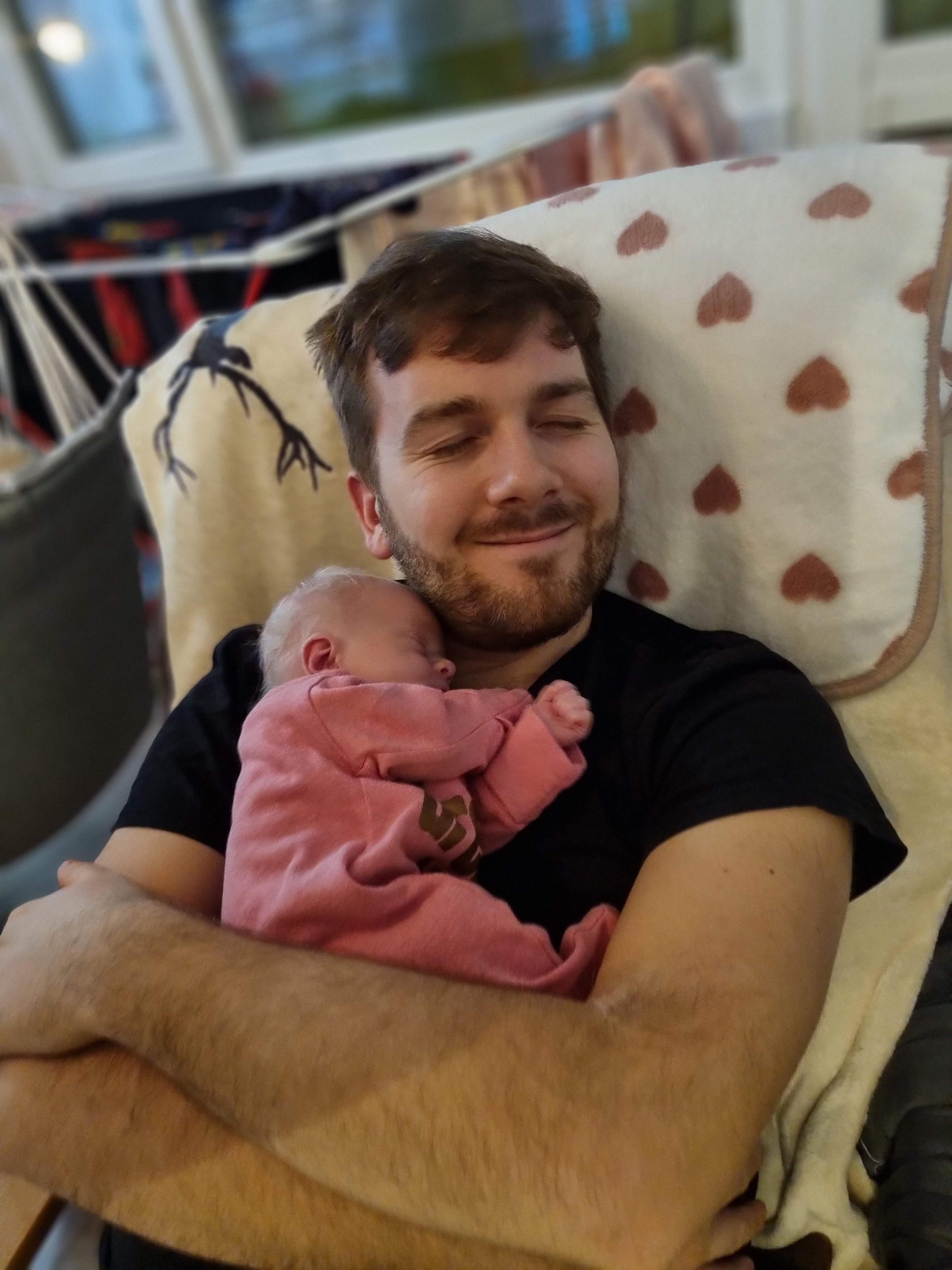
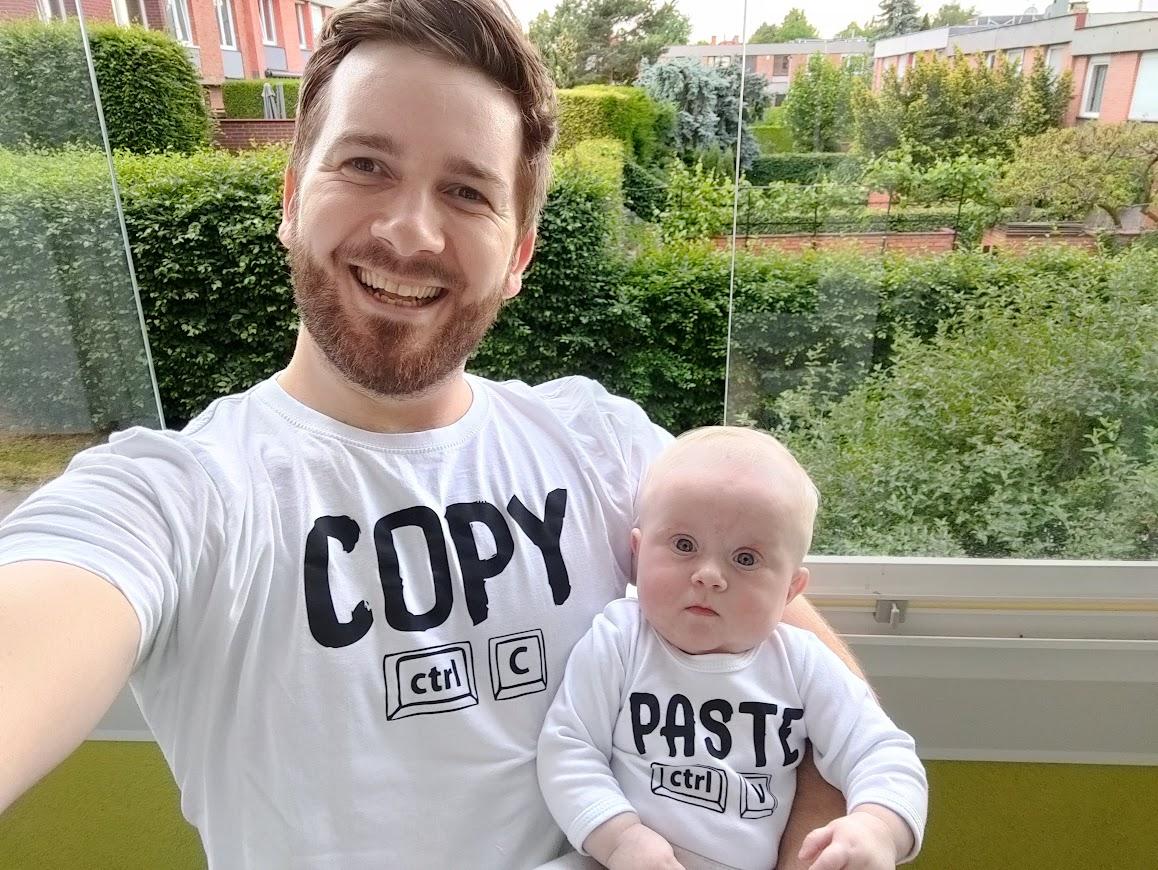
At 30, my baby girl was born. The first thing on my mind: does she have it too?
Luckily, after testing her during her first year, her heart is strong and healthy. What a huge stone dropped from my shoulders.
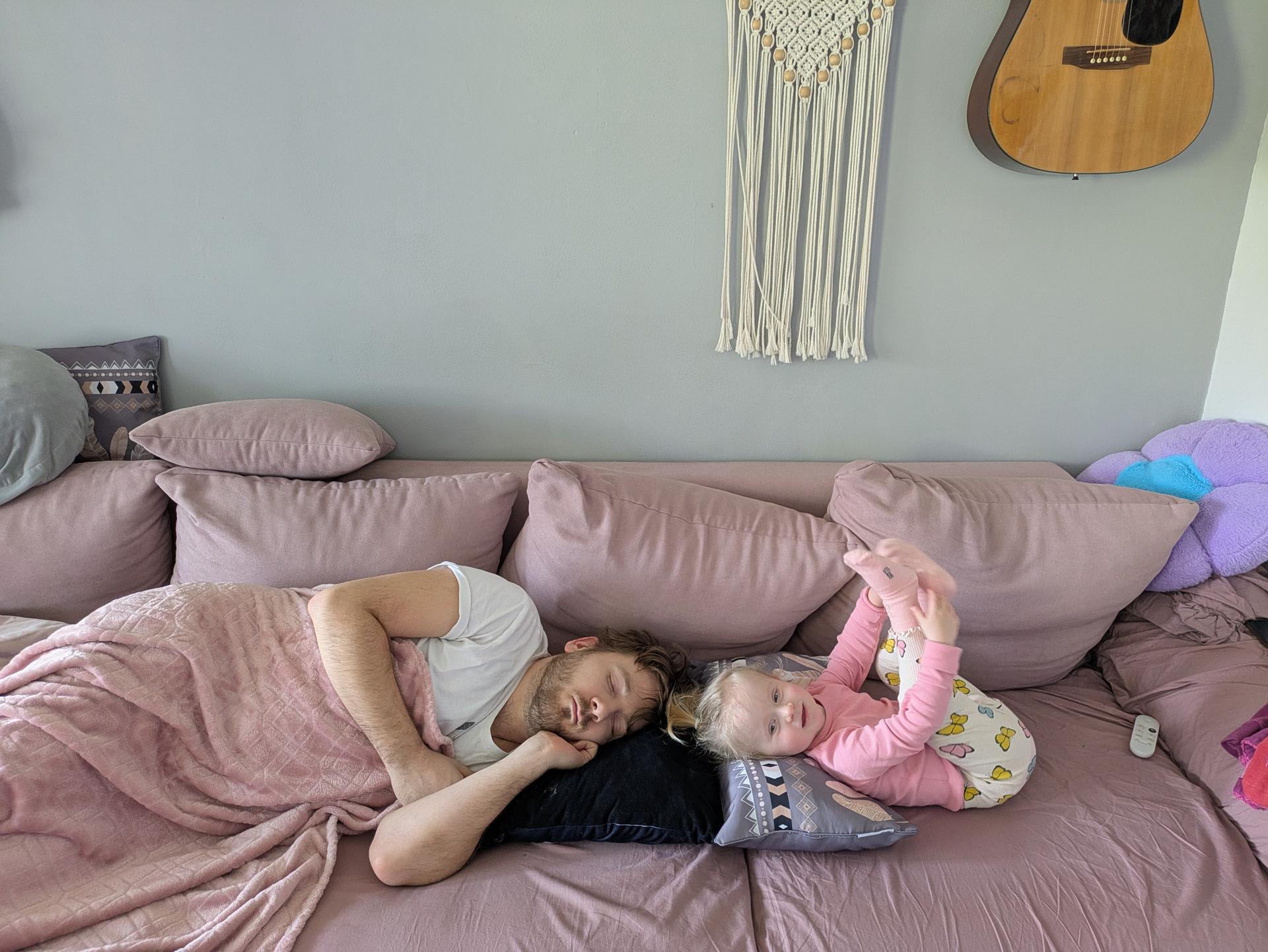
But in the next two years, things changed for me. I was getting really tired. Couldn't catch a bus without shortness of breath. I went back to checks every six months, slowly planning surgery. It was in real planning for two years.
And then March 2025 came.
Looking back, I'm grateful my heart's left ventricle hadn't dilated yet. I must have been really close. They say some people refuse surgery when suggested, and they can be gone in a few months. Once the heart crosses that line, when it just can't keep up anymore, it spirals fast. I made it just in time.
Surgery #1: The Ozaki Procedure
I was prepared. At least I thought so.
I chose the Ozaki procedure - a technique where they reconstruct your valve using your own pericardium tissue. Great clinic Na Homolce in Prague, one of the best surgeons, teaching this practice in Germany too. The appeal was clear: I wouldn't have to take warfarin for at least a decade.
Yes!
We did the less invasive version. I was apparently one of the first in Europe to have it done this way.
Retrospectively, being first in medicine is not something good, really. Even though the surgeon was very confident, I believe this played a part in what happened next: my new Ozaki valve was not working well.
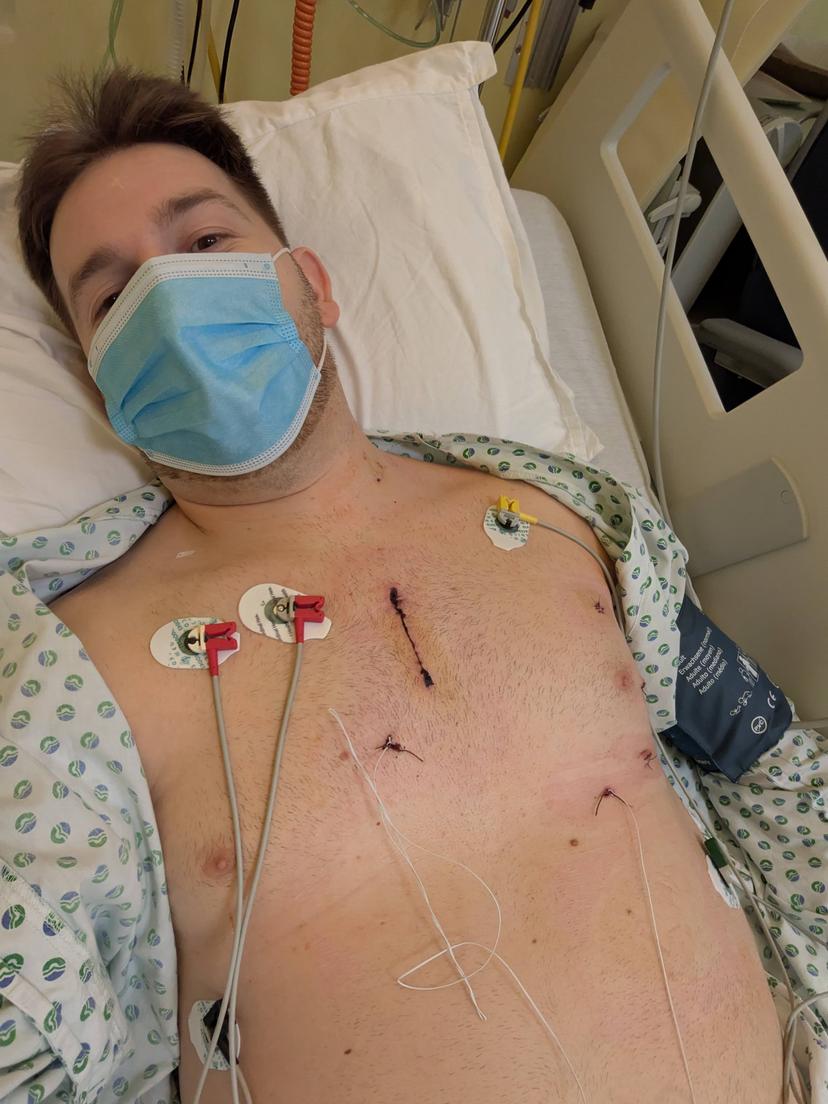
After three months of enduring, I needed another surgery.
The Impossible Decision
This was the toughest decision I had to make. Another Ozaki try? Or mechanical?
If mechanical, which one? St. Jude? Or this great one I found - On-X. At least on paper, it required a lower target INR and less warfarin - just 1.5 to 2.0.
But the choice felt impossible. Warfarin is a risk every day. Too low INR and you risk clots. Too high and you risk bleeding. Not to mention any incident or head trauma becomes life-threatening.
But Ozaki didn't work for me the first time. And even if it worked on the second try, I would still need another surgery in 10-20 years.
Oh my god.
I decided to go for another Ozaki, with On-X as plan B. The surgeon was confident the first one didn't work because of the less invasive method.
If only he had shared more details before we chose it the first time...
Surgery #2: The Switch
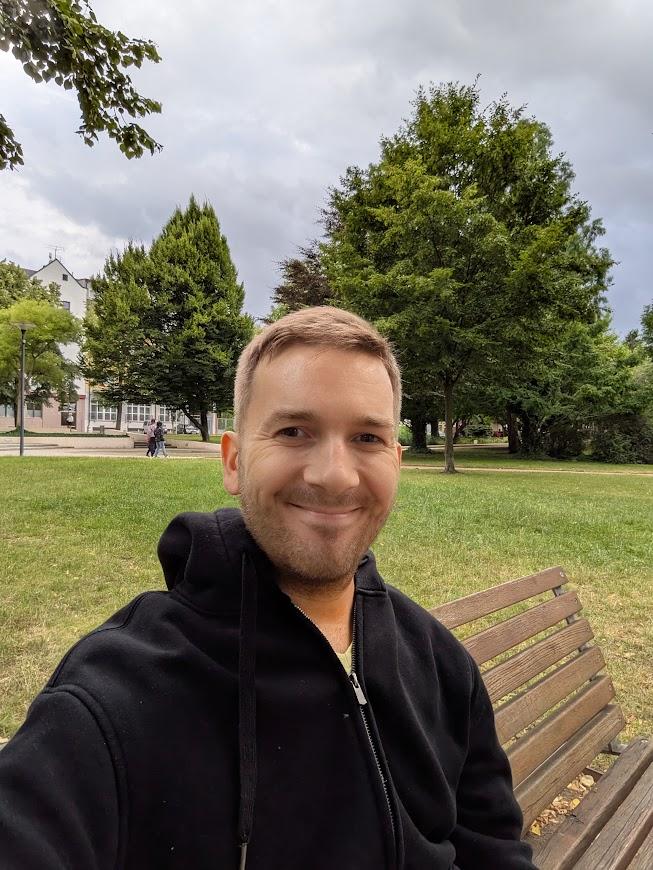
Second surgery. We tried Ozaki again. Even started my heart with the TEE probe still in, gave me medication on the table to increase blood pressure, and checked - the Ozaki was again not showing 100% good signs.
So he switched. I woke up with an On-X inside.
Honestly? I was happy and relieved. Only later did I understand the complexities involved in my decision to try Ozaki again. I would have spared my heart that additional stress if I'd just gone straight to mechanical.
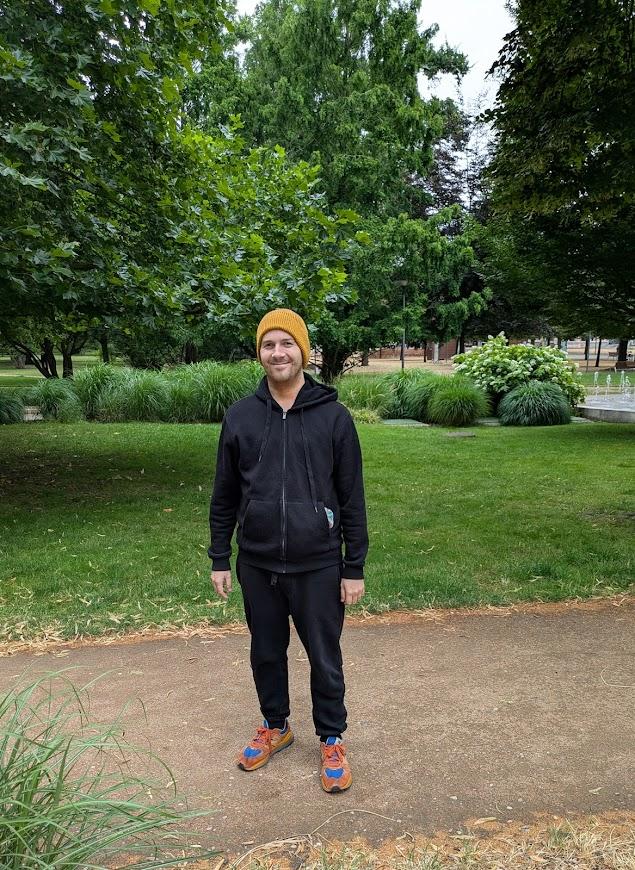
But it's in the past now.
The new On-X was beautiful, working fine. The ultrasound echo showed it was great. Seven days in, I was released.
Surgery #3: Endocarditis
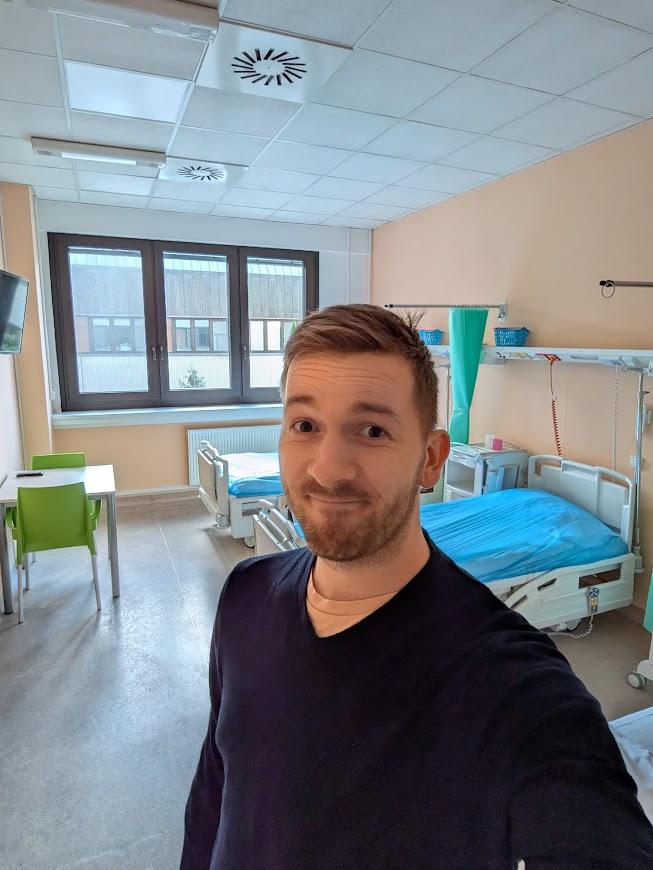
One week later, I was having fevers. Apparently, during the long surgery, an infection was introduced.
Two weeks post-surgery, the echo showed there was growing vegetation on my new On-X valve. At any moment, it could have ripped off and traveled somewhere in my body, causing a stroke.
Life-threatening. Again.
Emergency surgery.
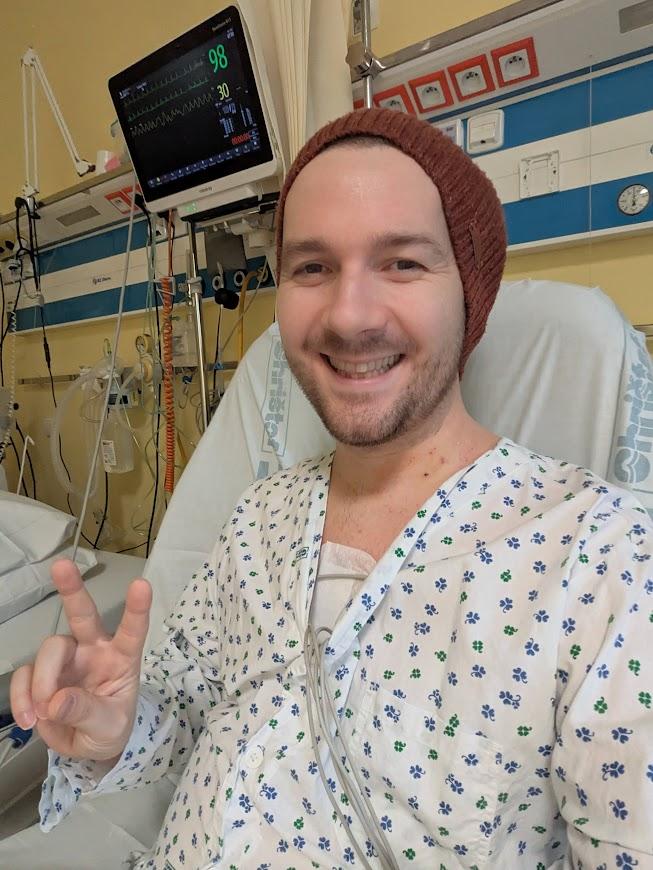
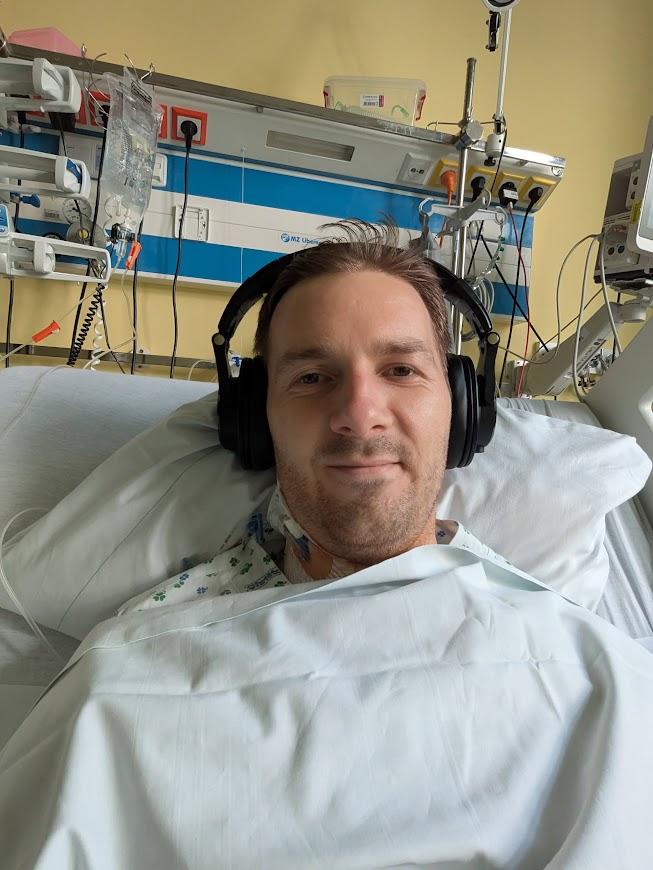
I ended up with a St. Jude mechanical valve. Eight weeks of intravenous antibiotics in a hospital bed followed. Luckily, no lasting damage to my heart tissue.
The new valve is working, although there's a small regurgitation. But I'm fine now.
Why I Built CoagCompanion - Warfarin Diary
After three surgeries, I was left with a mechanical valve, a lifetime prescription for warfarin, and a lot of anxiety about managing it correctly. The paper logs my clinic gave me were inadequate. I wanted to see trends, understand patterns, know if I was improving or getting worse.
I searched for an app that could track INR, help me understand dose patterns, track vitamin K intake, and give me visibility into my own data. Nothing existed that did what I needed.
So I built it.
CoagCompanion - Warfarin Diary is the tool I wish I had from day one. It's built by someone who checks their INR regularly, worries about bleeding and clotting, and lives with the constant awareness that a small valve is keeping them alive.
What I've Learned
Living with a mechanical valve and warfarin is hard. But it's manageable. Here's what I've learned:
- You adapt. Just like I adapted to shortness of breath as a kid, you adapt to this new reality. It becomes your normal.
- Being first isn't always good. In medicine, proven track records matter. Ask questions. Lots of them.
- Decisions are never perfect. You make the best choice with the information you have. Then you live with it.
- Track everything. Knowledge is power. Patterns emerge over time that help you understand your own body.
- Life goes on. I have a daughter to raise, work to do, mountains to cycle (carefully). The valve is part of me now.
Moving On
I don't regret my decisions. I'm not spiteful. I don't blame my doctors. This is my journey. I know I made the best decisions I could at the time. Believe me, I really went through them in my head. Based on my position, where I was, what I knew, what I researched - I even consulted my childhood cardiologist. I truly believe I did the best I could.
It just didn't go that great. Or did it? I'm still here, you know. No long-term damage, luckily. Yeah, I could have gone and had St. Jude mechanical on the first try. But I would always be asking myself "what if" about Ozaki. Now I know. Don't have to guess. Paid my share of pain for that knowledge. But I'm okay with that.
Let's focus on strength and love now. Everything is going to be okay. Everything turned out good in the end. I'm still here, aren't I? So let's use the time I have to the fullest. I stopped drinking alcohol altogether. I'm keeping track of my diet. Started working out with physiotherapy slowly. I will get back on track.
And I will play with my girl's kids too. I will watch my grandchildren grow old, and I will be there for them. Not just be there, but be there fully active.
I will get into the best shape of my life now.
#no-regrets #keep-pushing #positivity-matters
To Those Facing Surgery
If you're reading this and facing your own heart surgery, know that it's scary. The decisions feel impossible. The recovery is hard. Complications can happen even with the best surgeons.
But you can do hard things. I know because I've been doing hard things since I was a newborn with a heart defect fighting to stay alive.
You'll adapt. You'll find your new normal. And if you need help managing your warfarin along the way - well, that's why I built CoagCompanion - Warfarin Diary.
My Support Group
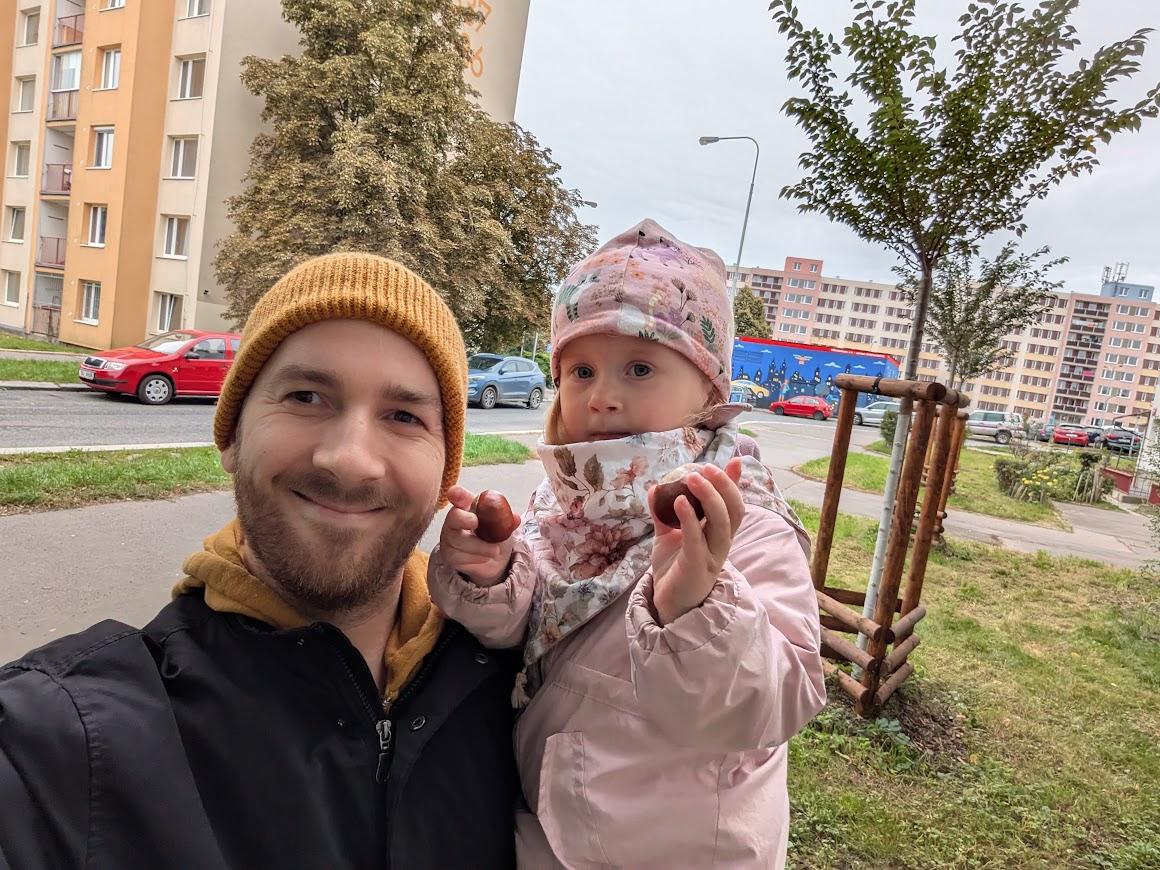
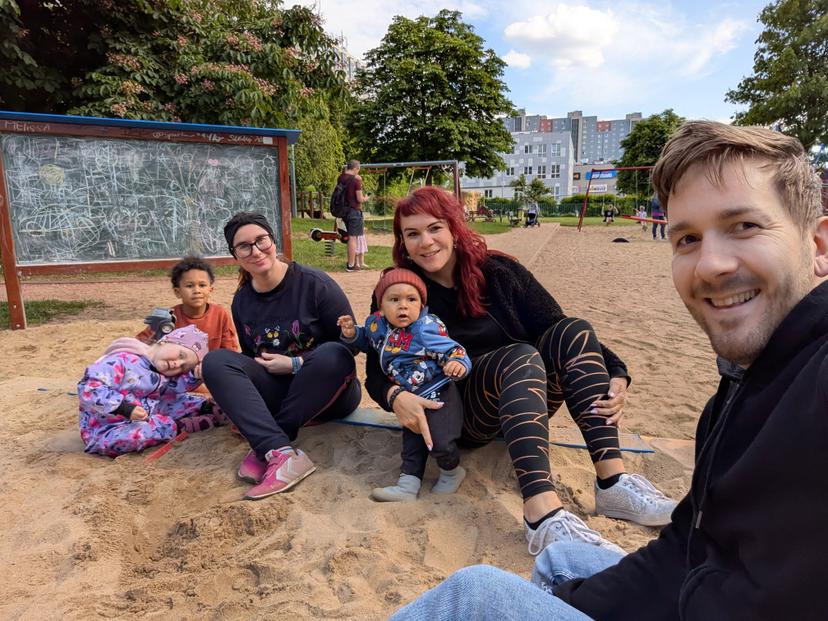
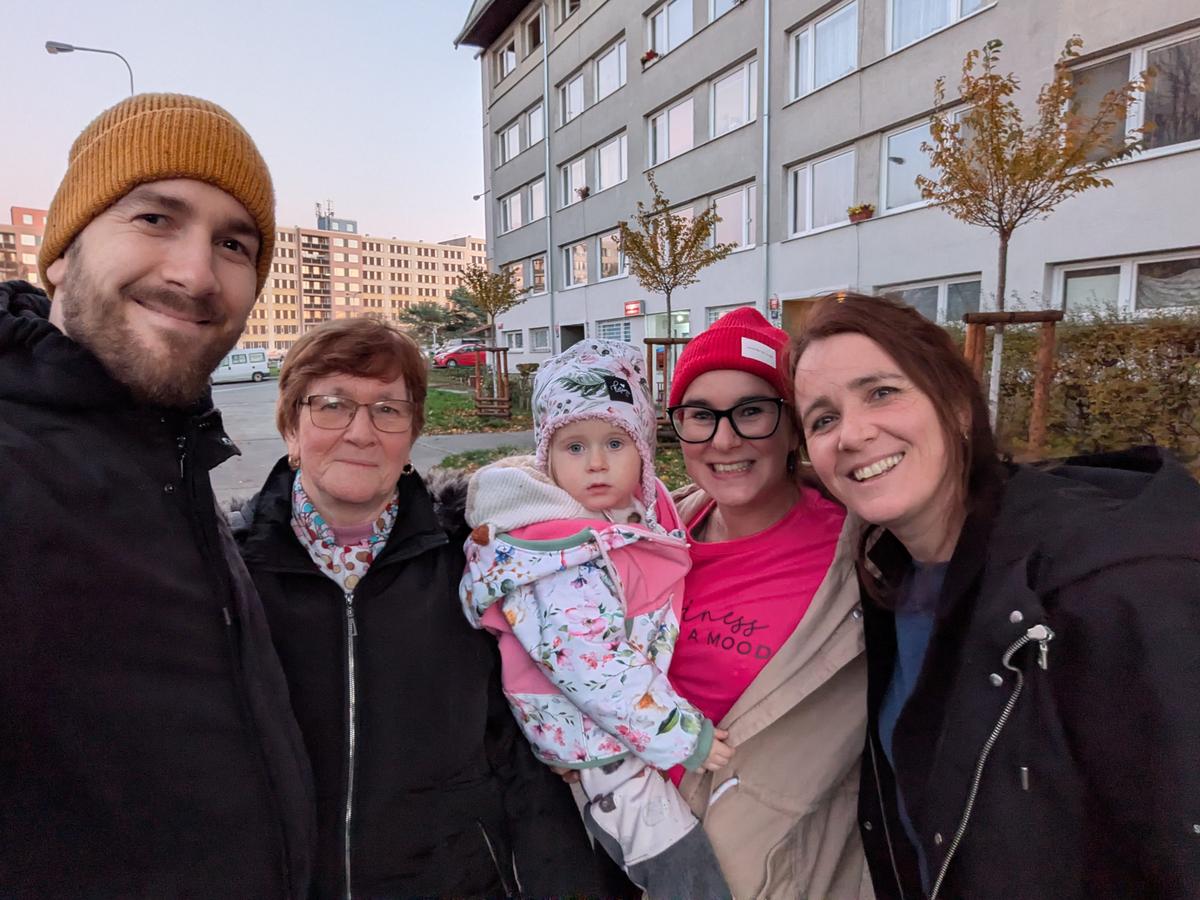
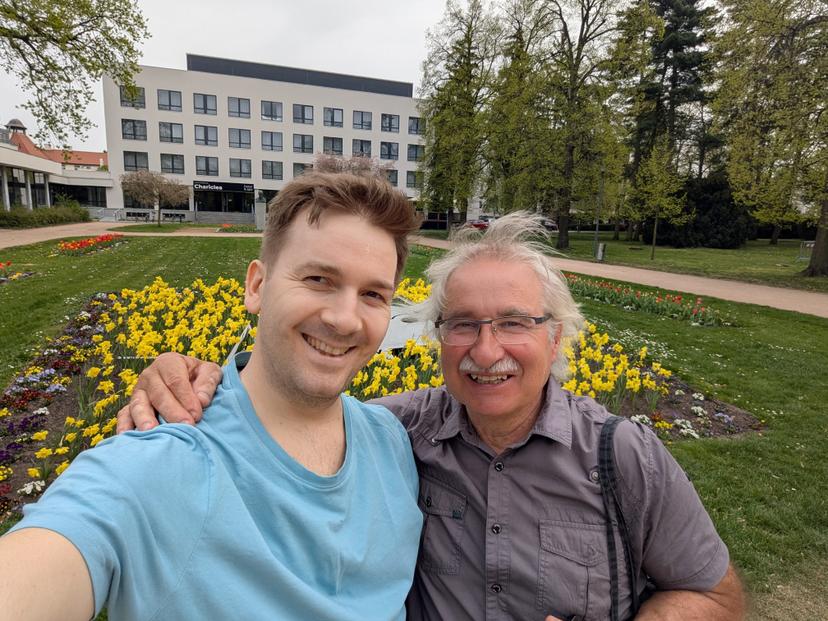
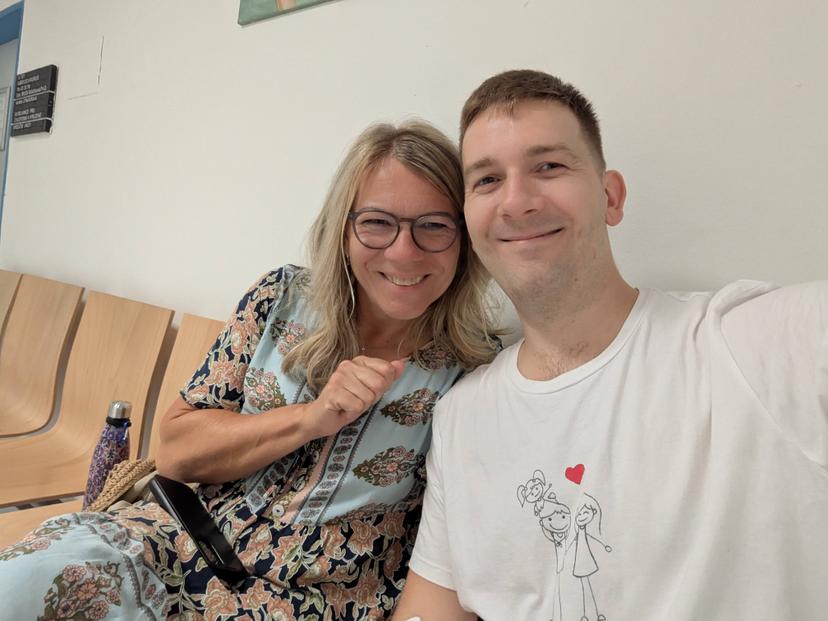
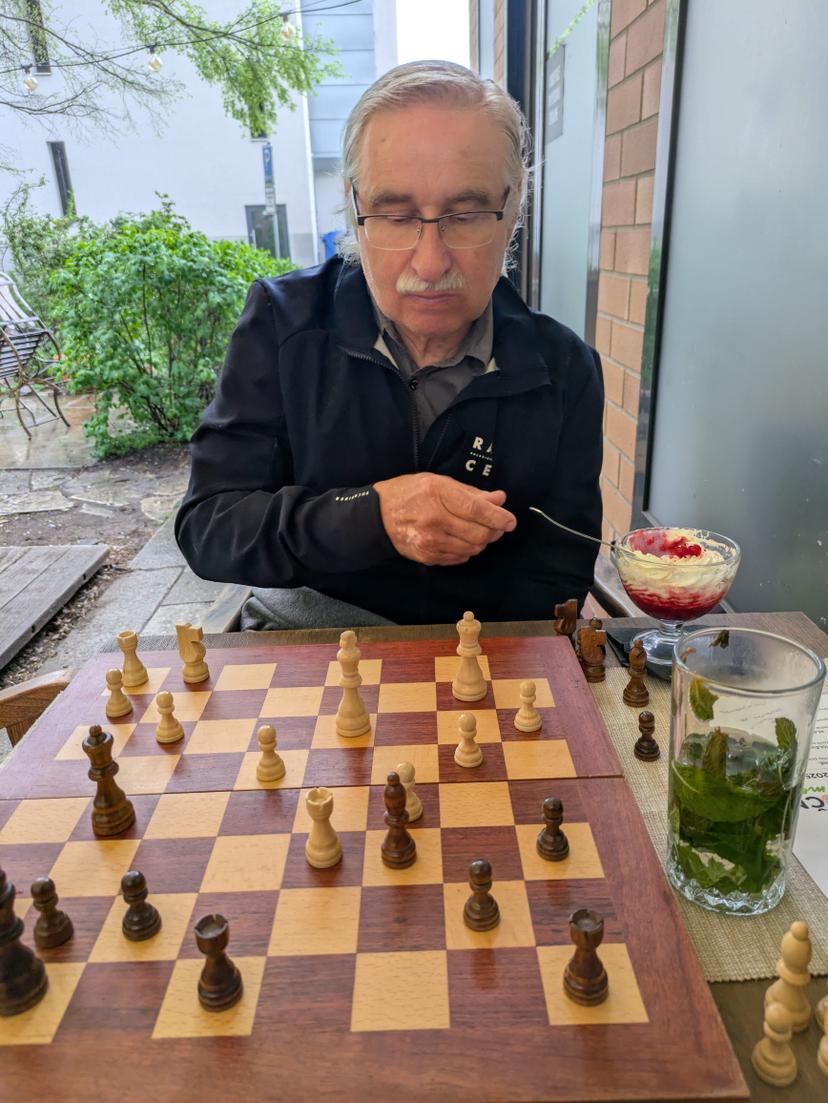
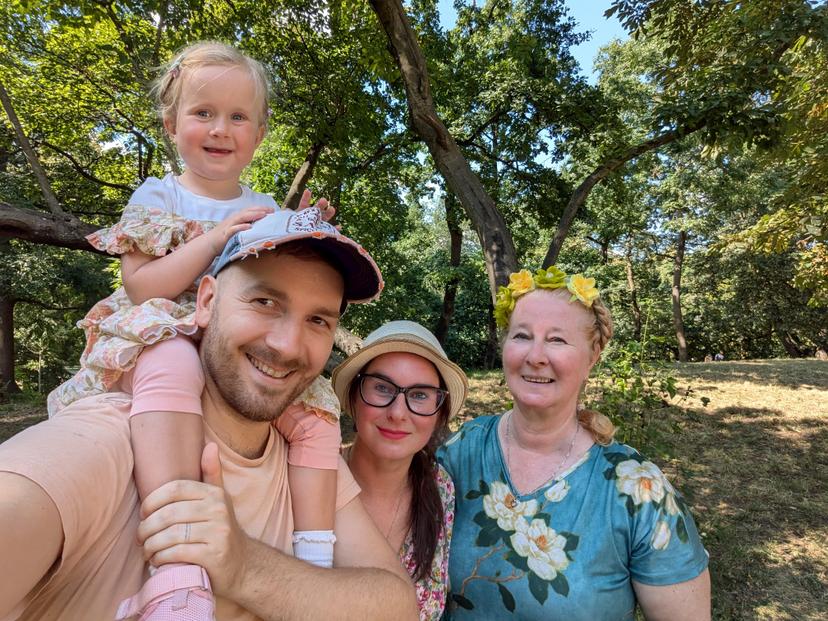
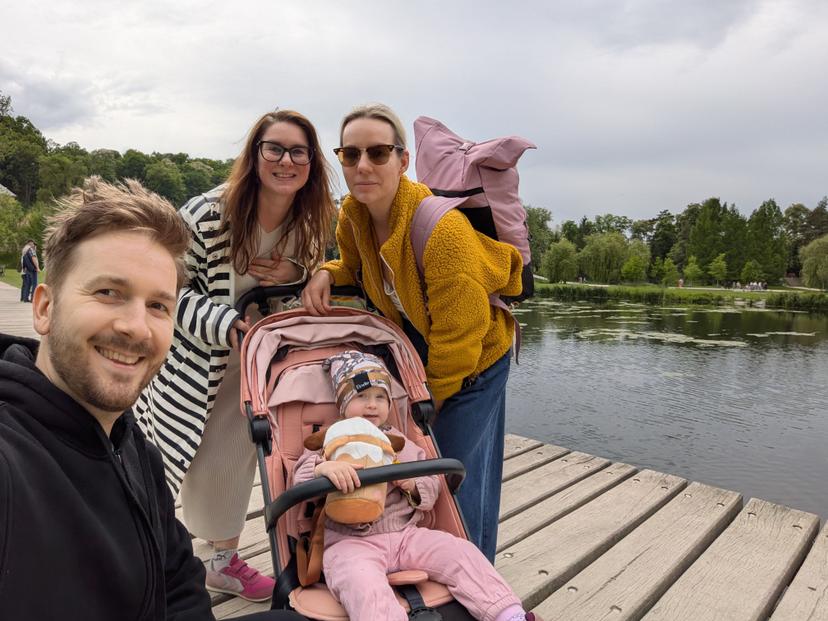
I could never have gone through this and endured it alone. Not in a million years. All the motivational talks are true - doing something "just" for yourself simply isn't enough of a motivation. I was doing it for them. ❤️
They kept me afloat even in the darkest moments. My family and friends were my reason to fight, my reason to push through every surgery, every complication, every moment of doubt.
Special Thanks
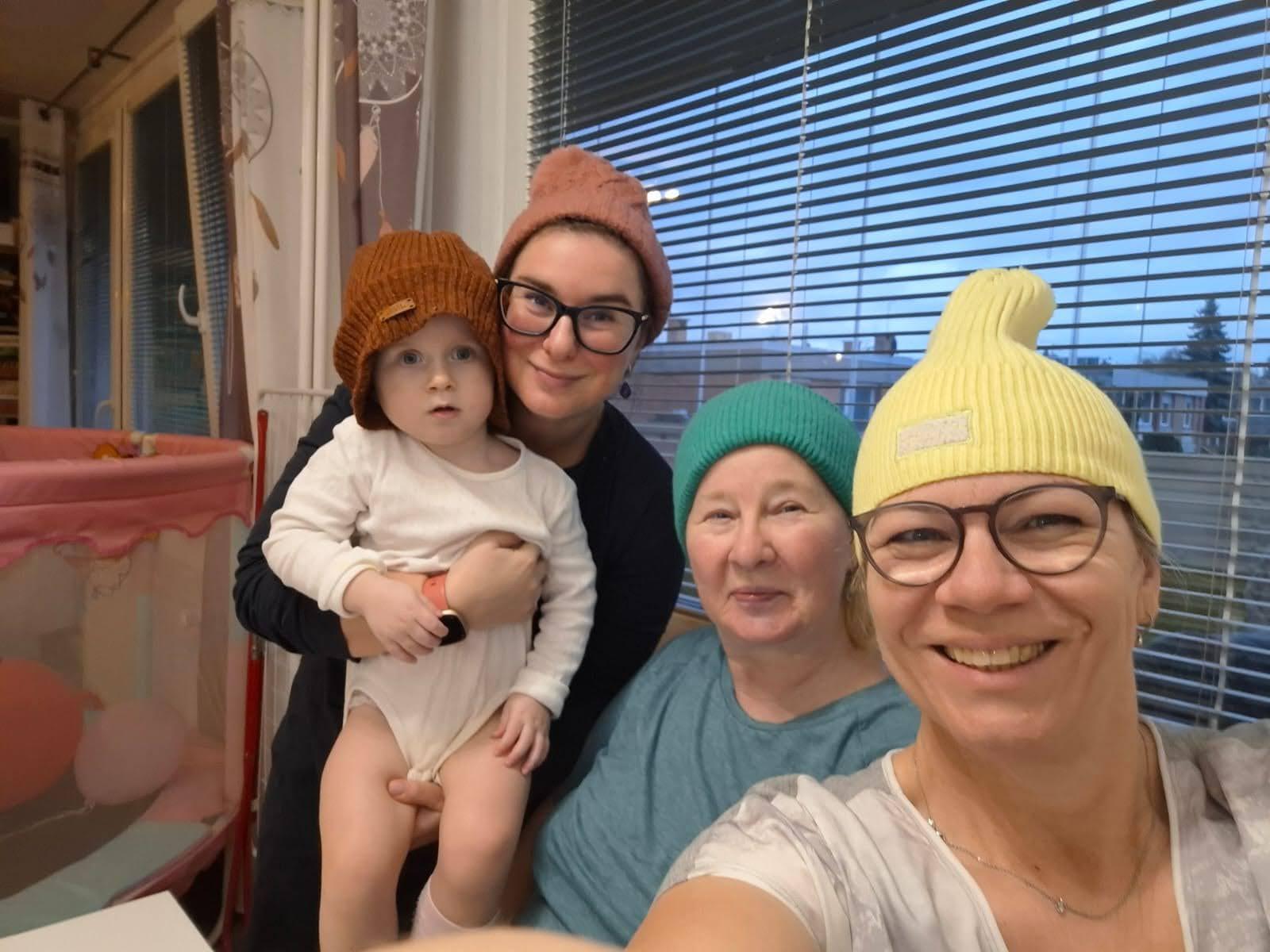
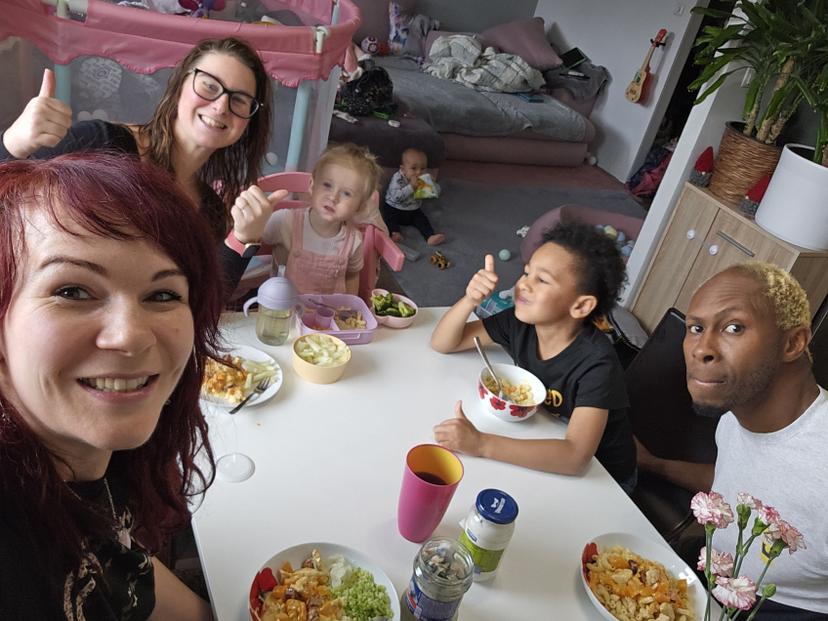
Special thanks to my loving, dear wife. She was always there, every single day, with a smile - even though she was carrying the heaviest ordeal of all. She literally carried us through this.
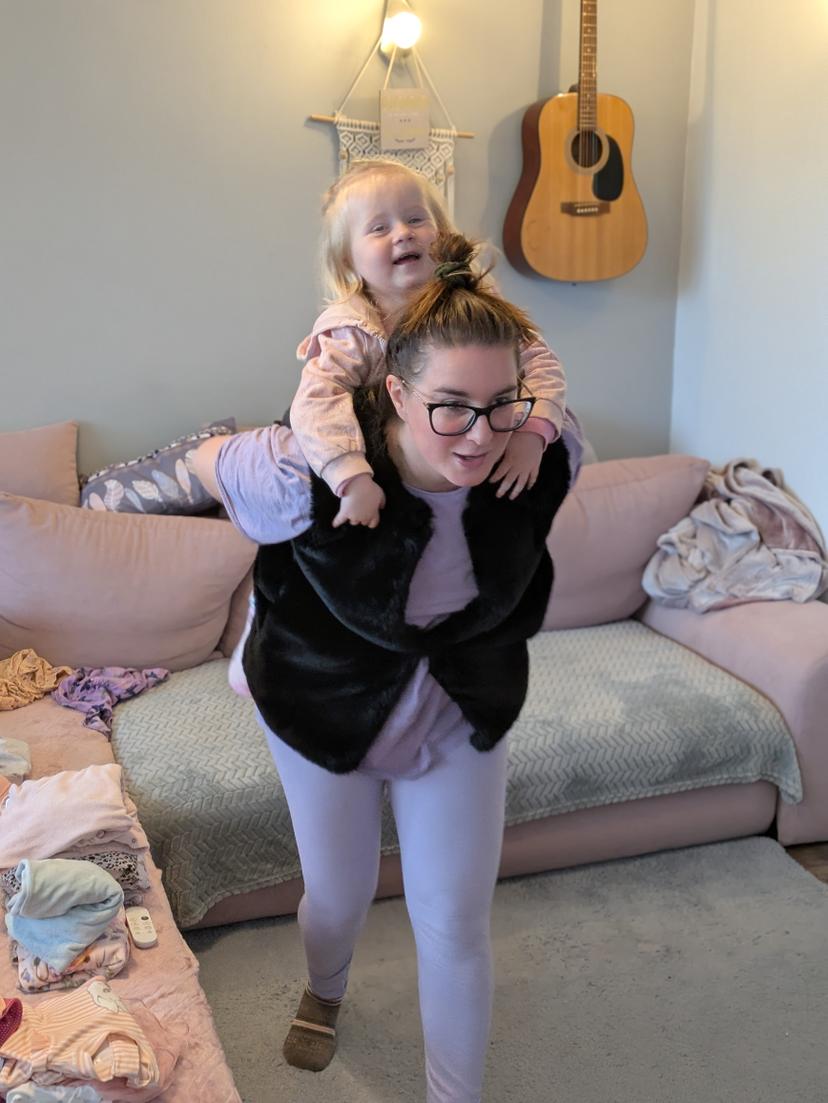
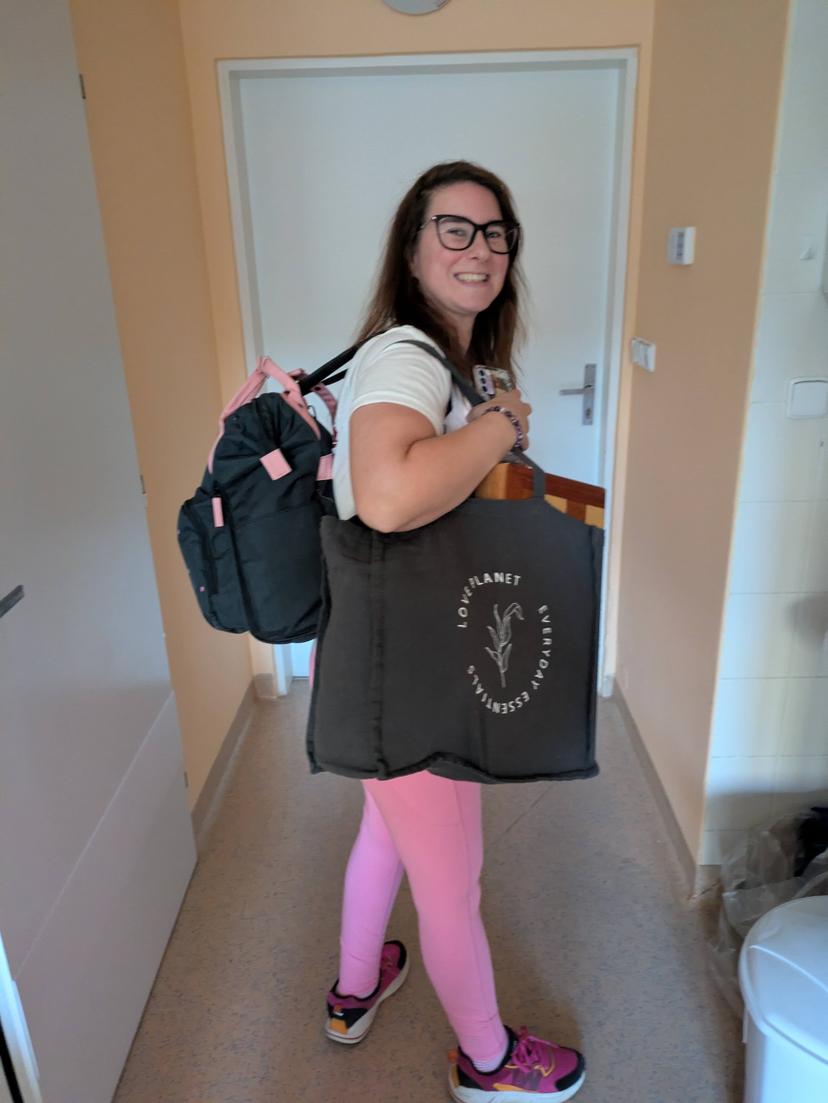
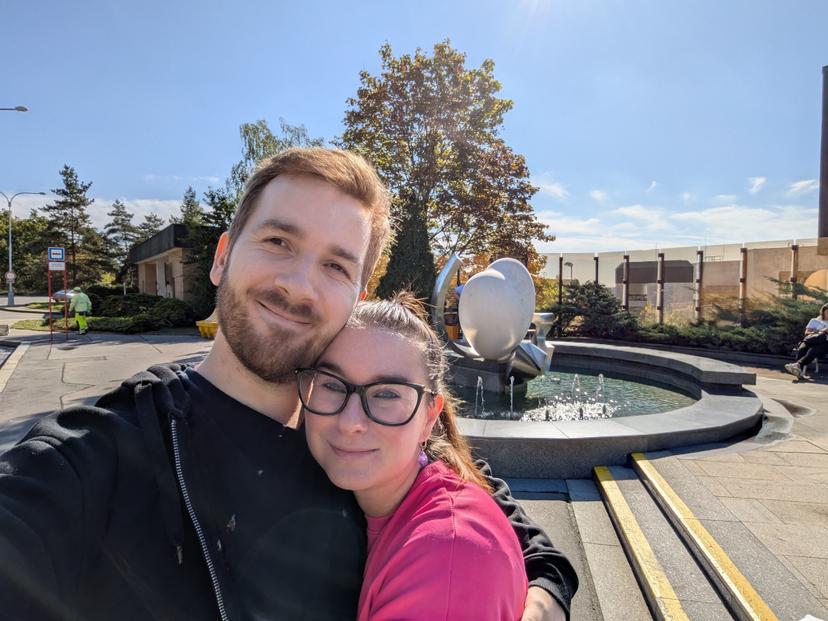
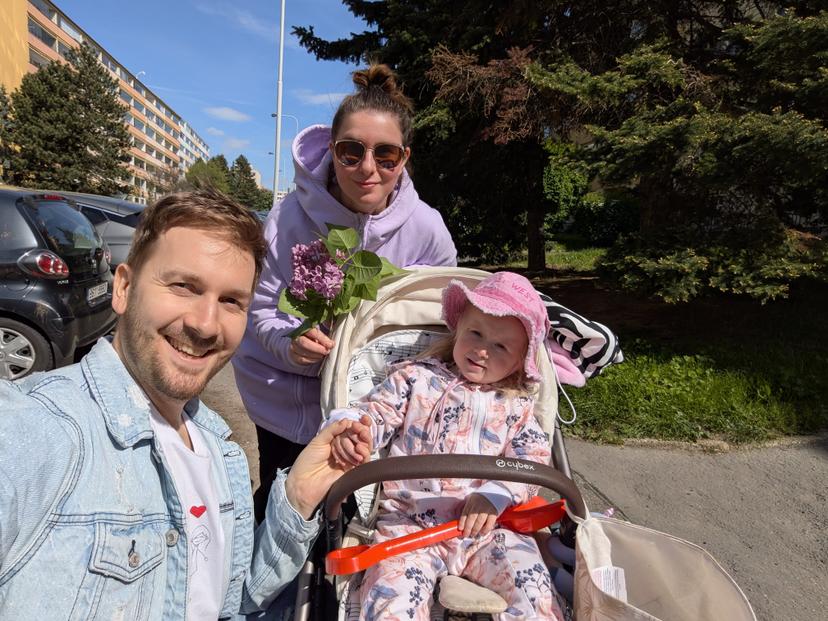
Thank you to everyone who supported us during the times when I couldn't. Your love, your visits, your messages, your presence - it all mattered more than you'll ever know.
Written by Patrik, 2025 Living with a St. Jude mechanical valve and warfarin therapy.